

silver bathroom mirror
The Fascinating World of Large Granite Blocks Granite is one of the most fascinating and durable materials on Earth, renowned for its beauty, strength, and versatility. Large granite blocks, in particular, have garnered interest for their monumental size and the significant roles they play in various industries, architecture, and even art. This article will explore the unique characteristics of large granite blocks, their extraction process, applications, and their significance in both history and modern society. Characteristics of Granite Granite is an igneous rock composed mainly of quartz, feldspar, and mica. Its formation occurs over millions of years as magma cools slowly beneath the Earth’s surface. This slow cooling process allows large crystals to form, giving granite its distinctive granular texture. Large granite blocks often exhibit a range of colors, from deep blacks and grays to vibrant pinks and whites, making them not only functional but also aesthetically pleasing. The durability of granite stems from its hardness, which allows it to withstand weathering and erosion, contributing to its longevity in outdoor applications. Extraction and Processing The extraction of large granite blocks involves a meticulous and labor-intensive process. Quarries, often located in mountainous regions, are the primary sites for granite harvesting. Workers utilize specialized equipment such as diamond wire saws, which can cut large blocks with precision. The process begins with drilling holes into the granite to create perforations along predetermined lines. Once the lines are established, the diamond wire saw slowly cuts through the rock, resulting in massive blocks of granite weighing several tons. After extraction, these massive blocks undergo a series of processes to prepare them for use in construction or other applications. This includes trimming, polishing, and sometimes shaping the granite to fit specific designs or structures. The final product is a stone that is not only robust but also elegant, showcasing the natural beauty of the granite itself. Applications of Large Granite Blocks large granite blocks The applications for large granite blocks are vast and varied. In architecture and construction, these blocks are often used for creating durable facades, monuments, and memorials. Famous structures like the Egyptian pyramids and the statues at Mount Rushmore exemplify the versatility of granite through their monumental scales and resilience. In urban landscapes, large granite blocks serve as key components in public parks, fountains, and seating areas. Their ability to withstand harsh weather conditions makes them ideal for outdoor use, enhancing both functionality and aesthetic appeal. Furthermore, granite is commonly employed in interior design, with large blocks being used for countertops, flooring, and decorative features in homes and commercial establishments. In addition to construction, large granite blocks also play a critical role in the art world. Sculptors often use these large chunks of granite to create impressive sculptures and installations. The process of transforming a rough granite block into a fine work of art requires immense skill and artistry, showcasing the beauty and challenges inherent in working with such a sturdy material. Historical Significance Historically, large granite blocks have been integral to various cultures. Ancient civilizations often used granite to build temples, tombs, and other significant structures that have stood the test of time. For instance, many of the ancient stone monuments in India, such as the temples in Hampi, are made of granite that has remained intact for centuries. These sites not only highlight the architectural feats of our ancestors but also serve as a testament to the material's durability and significance in historical contexts. Conclusion Large granite blocks are more than just massive stones extracted from quarries; they represent a blend of natural beauty, functionality, and historical significance. Whether in monumental architecture, modern construction, artistic endeavors, or urban landscaping, granite continues to captivate and inspire. As we look to the future, the ongoing exploration and innovative uses of granite will undoubtedly pave the way for new applications, ensuring that this ancient material remains relevant in our ever-evolving world. Understanding the role that large granite blocks play in our lives reminds us of the enduring power of nature and the creativity of humankind.
about
silver bathroom mirror
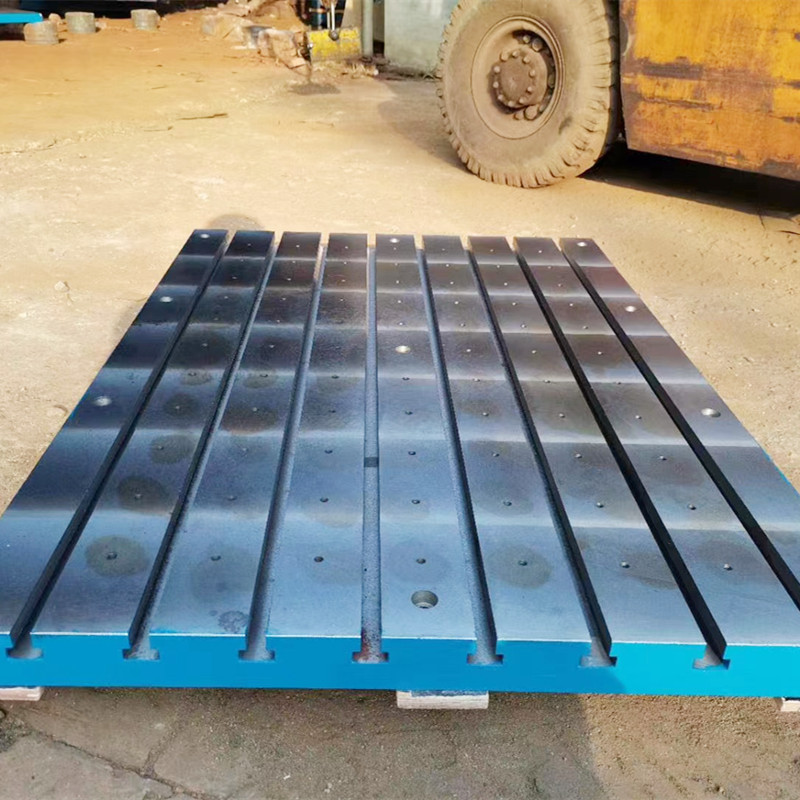
In the realm of manufacturing and engineering, the significance of cast iron T slot plates cannot be overstated. These robust and versatile surfaces are essential for precision work, particularly in fields such as robotics and automation testing. The unique properties of cast iron, including its excellent rigidity and stability, make it an ideal material for creating a reliable testing environment. When engineers and technicians require a flat, stable surface for mounting equipment, conducting measurements, or assembling components, iron surface plates serve as the backbone of their operations. The use of cast iron T slot plates ensures that the equipment remains firmly in place, allowing for accurate results and reducing the risk of errors that could arise from a less stable surface. Moreover, the design of cast iron T slot plates features integrated slots that facilitate the easy attachment of various tools and fixtures. This adaptability is crucial in robotics, where different configurations may be needed for various tests or setups. The ability to customize the arrangement of equipment on the plate enhances operational efficiency and workflow. As the demand for automation and robotics continues to grow, the reliance on high-quality metal fabrication tables becomes increasingly important. These tables not only support the physical components but also contribute to the overall quality of the testing process. In addition to their practical applications, cast iron T slot plates are also known for their longevity and durability. Unlike other materials that may warp or degrade over time, cast iron maintains its structural integrity under heavy loads and rigorous use. This characteristic is particularly advantageous in environments where precision is paramount, such as laboratories and manufacturing facilities. As industries evolve and the need for automation increases, the role of iron surface plates in ensuring consistent quality and performance will only become more critical. Utilizing Iron Surface Plates in Robotics Testing The integration of iron surface plates in robotics testing offers numerous advantages that enhance the overall effectiveness of the testing process. When conducting tests on robotic systems, it is essential to have a stable and flat surface to ensure accurate measurements and reliable performance evaluations. Cast iron T slot plates provide this stability, allowing engineers to focus on the intricate details of their robotic designs without the distraction of a shifting or unstable platform. In robotics, precision is key. Even the slightest deviation in measurements can lead to significant issues in performance. By utilizing iron surface plates , engineers can conduct tests with confidence, knowing that their equipment is securely anchored. This is especially crucial during dynamic testing scenarios where robots are subjected to various movements and forces. The ability to maintain a consistent testing environment is vital for obtaining reliable data, which in turn informs design improvements and optimizations. Furthermore, the versatility of metal fabrication tables allows for easy modifications and adjustments during testing. Engineers can quickly attach different fixtures or sensors to the cast iron T slot plates , adapting the setup to meet specific testing requirements. This flexibility not only saves time but also enhances the overall efficiency of the testing process. As robotics technology advances, the need for adaptable and reliable testing environments will continue to grow, making iron surface plates indispensable tools in the field. The Role of Metal Fab Tables in Automation Testing In the context of automation testing, metal fab tables play a crucial role in ensuring the precision and reliability of automated systems. These tables, often constructed from durable materials like steel, provide a solid foundation for testing various automation components. The integration of cast iron T slot plates into these tables further enhances their functionality, offering a stable surface for mounting sensors, actuators, and other essential equipment. Automation testing often involves the evaluation of complex systems that require precise alignment and positioning. By utilizing iron surface plates , engineers can ensure that all components are accurately positioned, minimizing the risk of errors during testing. The stability provided by cast iron T slot plates is particularly beneficial in scenarios where automated systems are subjected to vibrations or other external forces. This stability helps maintain the integrity of the testing process, allowing engineers to obtain accurate and repeatable results. Moreover, the adaptability of metal fab tables allows for easy reconfiguration as testing requirements change. Engineers can quickly modify the layout of their setups, accommodating new components or testing methodologies without significant downtime. This flexibility is essential in today’s fast-paced engineering environments, where rapid prototyping and testing are often necessary to keep up with technological advancements. As the automation industry continues to evolve, the reliance on high-quality iron surface plates and metal fabrication tables will only increase, underscoring their importance in modern engineering practices. Steel Fab Tables: A Complement to Cast Iron T Slot Plates While cast iron T slot plates are renowned for their stability and durability, steel fab tables offer complementary advantages that enhance the overall testing and fabrication processes. Steel tables are typically lighter and more portable than their cast iron counterparts, making them ideal for applications that require mobility or frequent reconfiguration. When paired with iron surface plates , these tables create a dynamic workspace that balances stability with flexibility. The combination of steel fab tables and cast iron T slot plates allows engineers to leverage the strengths of both materials. For instance, while the cast iron plates provide a solid foundation for precision work, the steel tables can be easily moved or adjusted to accommodate different testing scenarios. This adaptability is particularly valuable in environments where space is limited or where multiple projects are being conducted simultaneously. Additionally, steel fab tables often feature integrated storage solutions, enabling engineers to keep tools and equipment organized and within easy reach. This organizational aspect contributes to a more efficient workflow, allowing teams to focus on their tasks without the distraction of cluttered workspaces. As industries increasingly prioritize efficiency and productivity, the role of steel fab tables in conjunction with cast iron T slot plates will become even more significant. FAQs: Understanding Cast Iron T Slot Plates and Their Applications What are cast iron T slot plates used for? Cast iron T slot plates are primarily used as stable surfaces for mounting equipment, conducting measurements, and assembling components in various industries, including robotics and automation testing. How do iron surface plates contribute to precision work? Iron surface plates provide a flat and stable foundation that minimizes errors during measurements and testing, ensuring accurate results in precision engineering applications. Can metal fabrication tables be customized for specific projects? Yes, metal fabrication tables can be easily customized with different fixtures and attachments, allowing for flexibility in testing setups and accommodating various project requirements. What advantages do steel fab tables offer compared to cast iron plates? Steel fab tables are lighter and more portable than cast iron plates, making them ideal for applications requiring mobility and frequent reconfiguration while still providing a sturdy work surface. Are cast iron T slot plates durable? Yes, cast iron T slot plates are known for their durability and longevity, maintaining their structural integrity under heavy loads and rigorous use, making them ideal for industrial applications. Discover the precision and reliability of our cast iron T slot plates for your engineering needs. Visit our website to explore our products and place your order now. Elevate your testing processes with the best in the industry!
-

High quality industrial productsagement

High quality industrial products
View Details -

Meet the diverse needs of customers

Meet the diverse needs of customers
View Details -

Strict quality control

Strict quality control
View Details -

Top raw materials

Top raw materials
View Details -

Trusted supplier

Trusted supplier
View Details
Our application


news and information
Vibration Reduction Pads
Anti-Vibration Pads A Revolution in Equipment Protection In the modern world, vibration is an inevi
welded globe valve
Understanding Welded Globe Valves A Comprehensive Overview Welded globe valves are vital components

Wrought iron finials
The Timeless Elegance of Wrought Iron Caps An Architectural Delight Wrought iron caps, an integral
 English